




Something went wrong
Try again later.


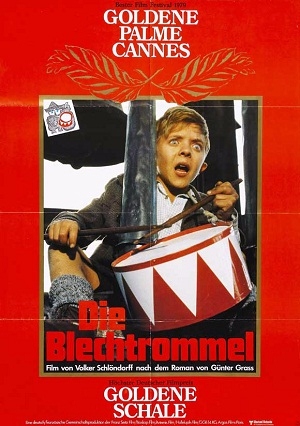
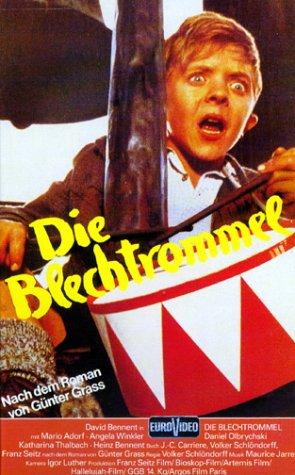
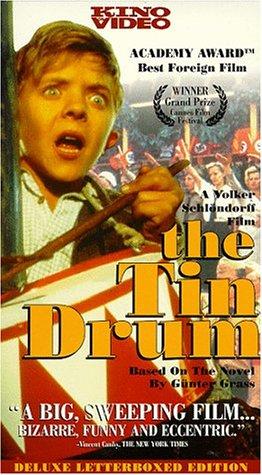
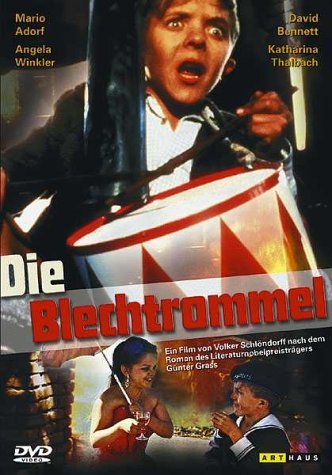
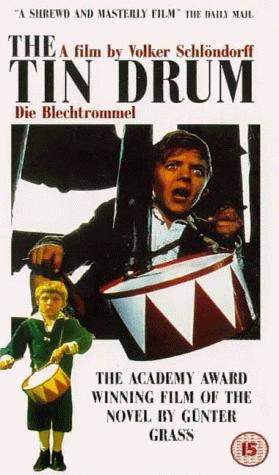
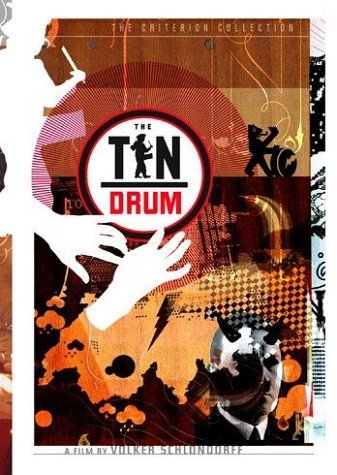
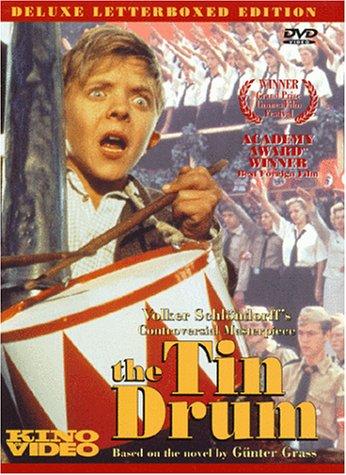
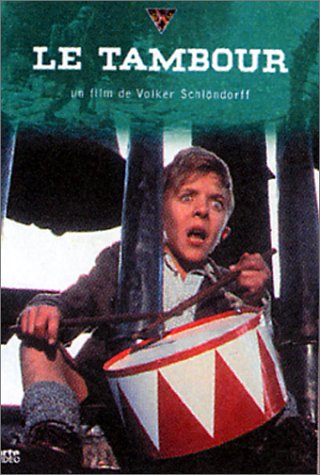
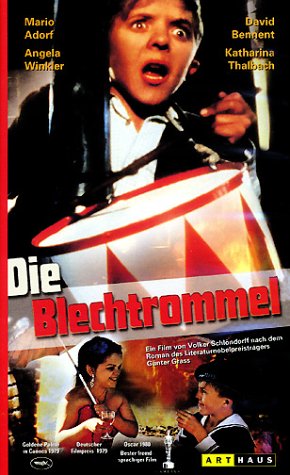
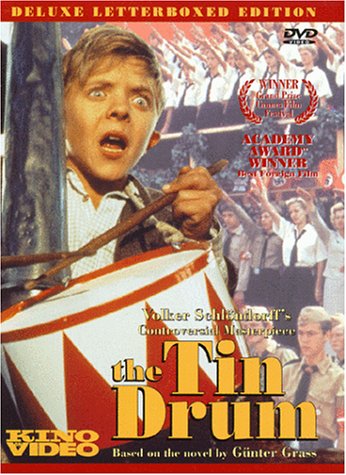
The Tin Drum (Die Blechtromme)
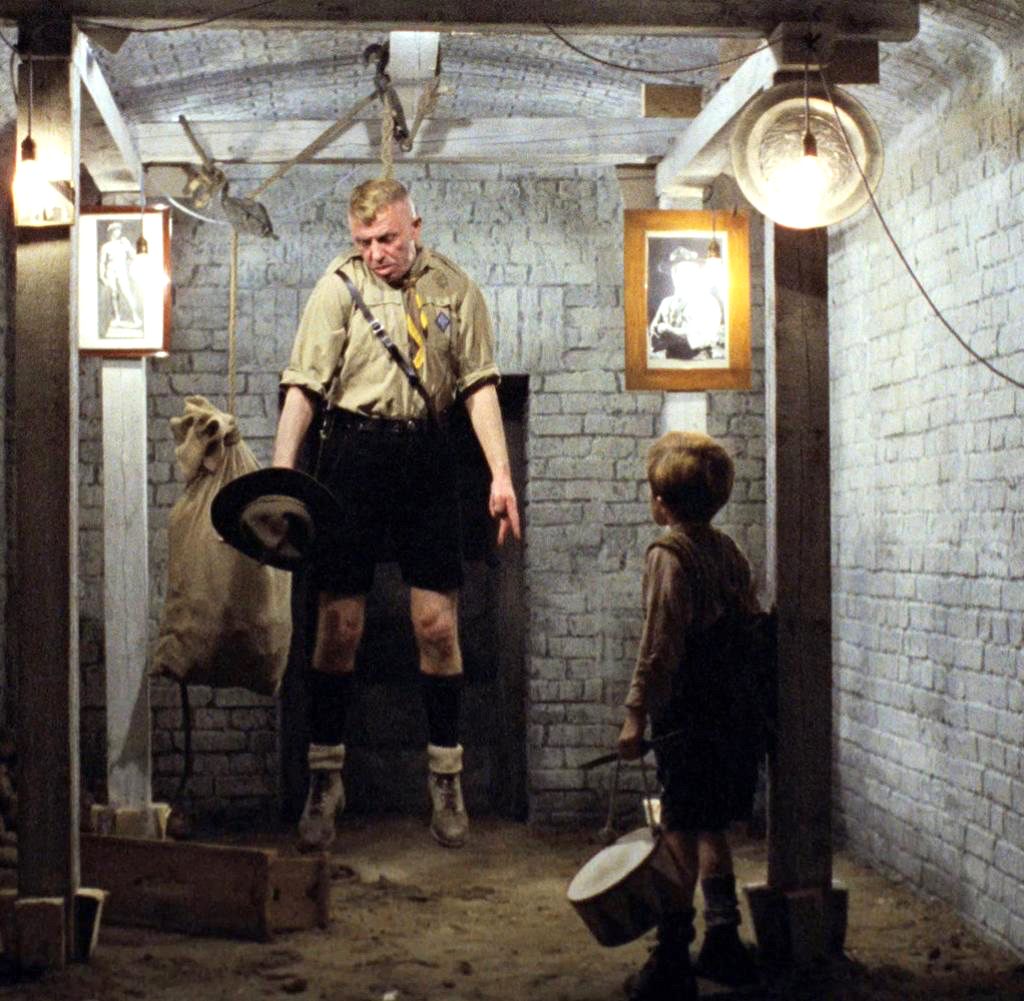
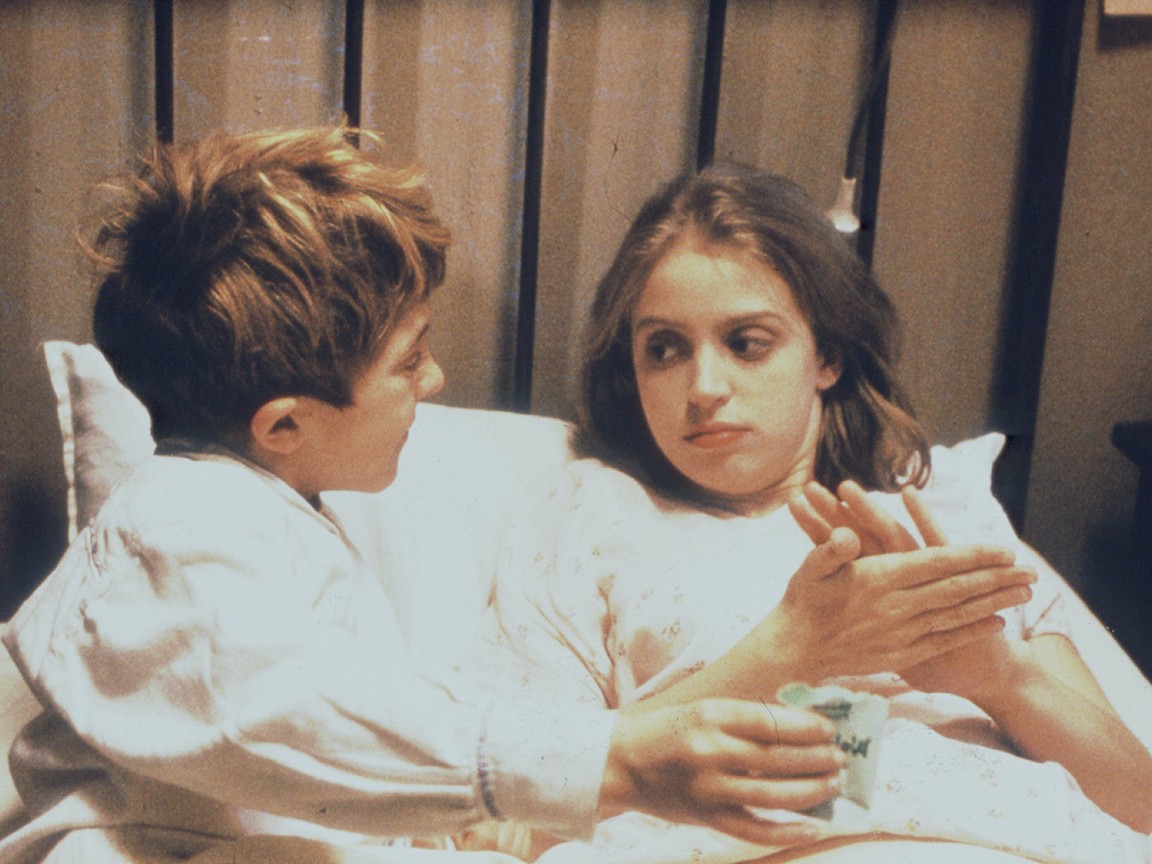
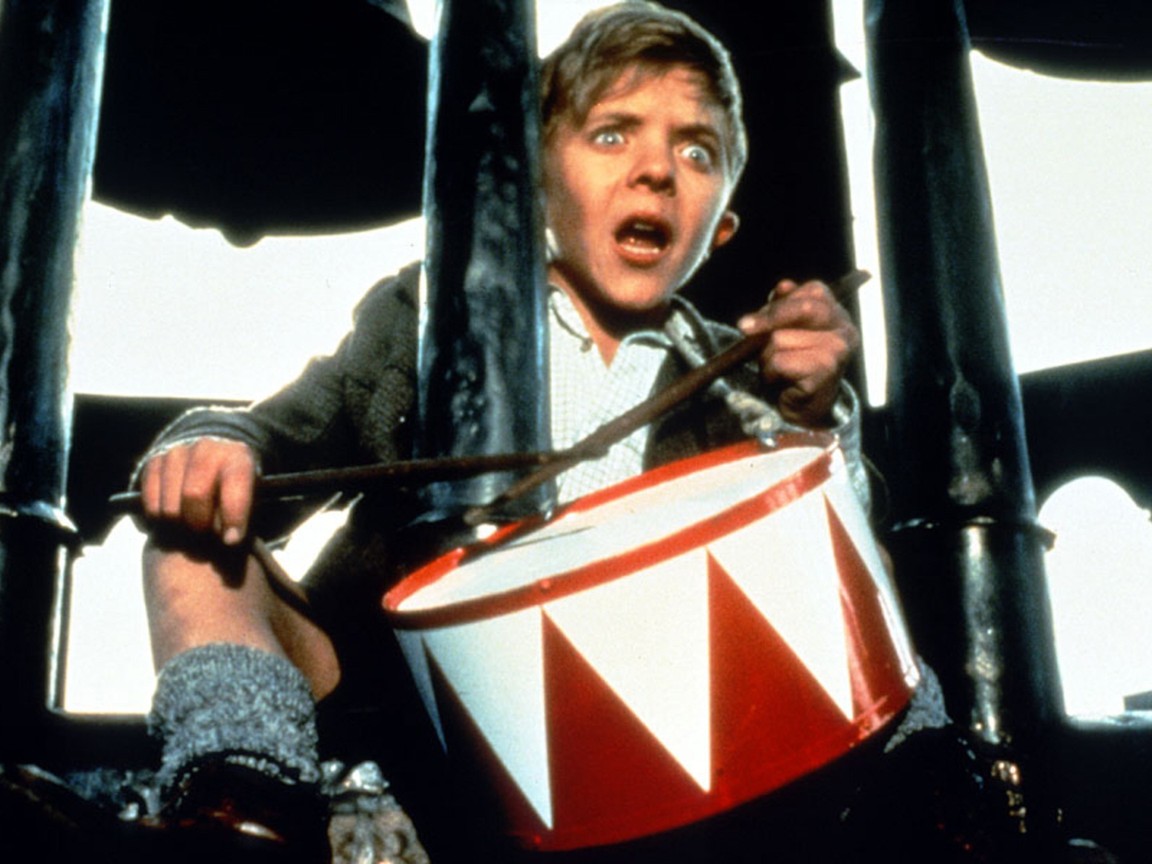
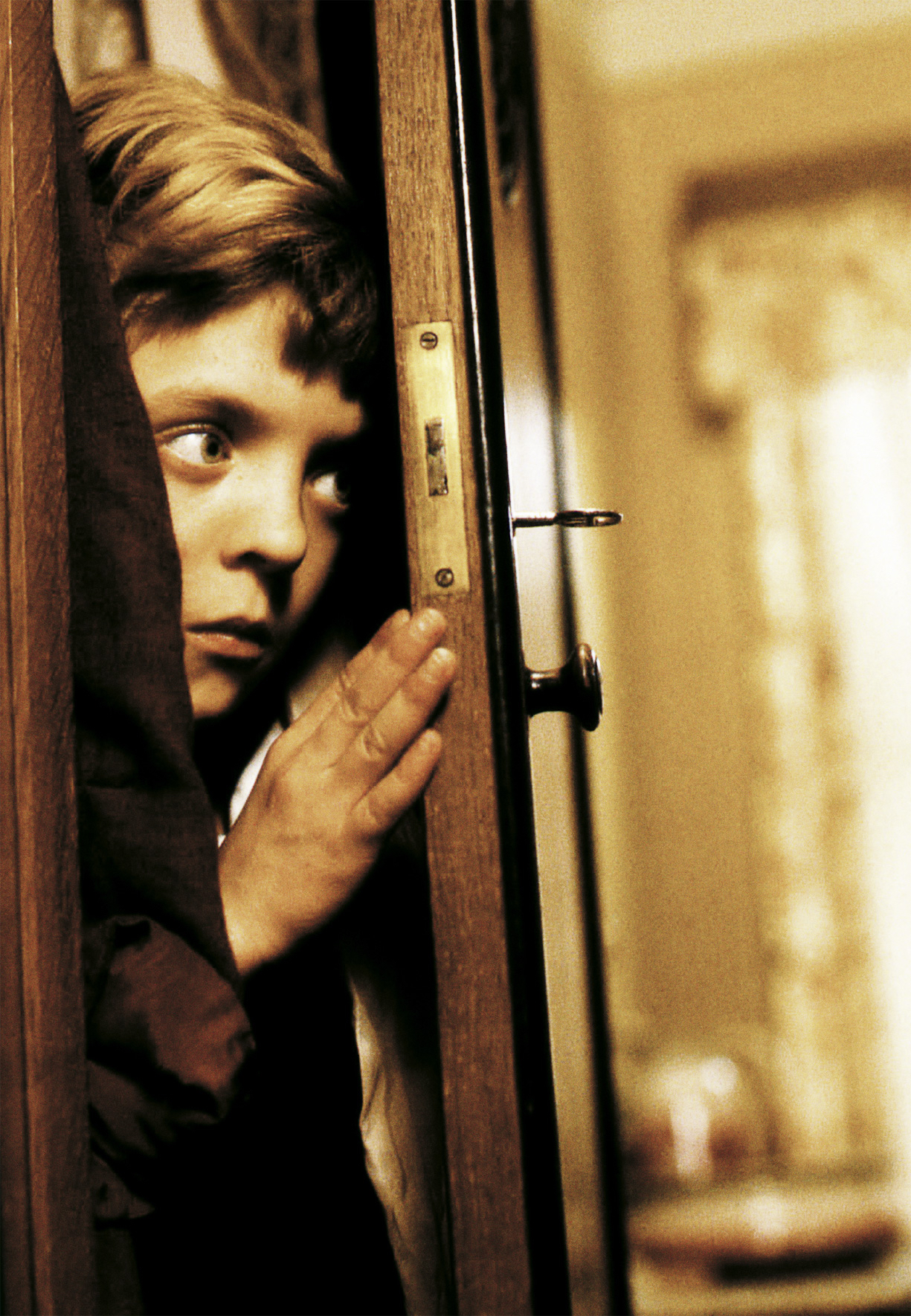
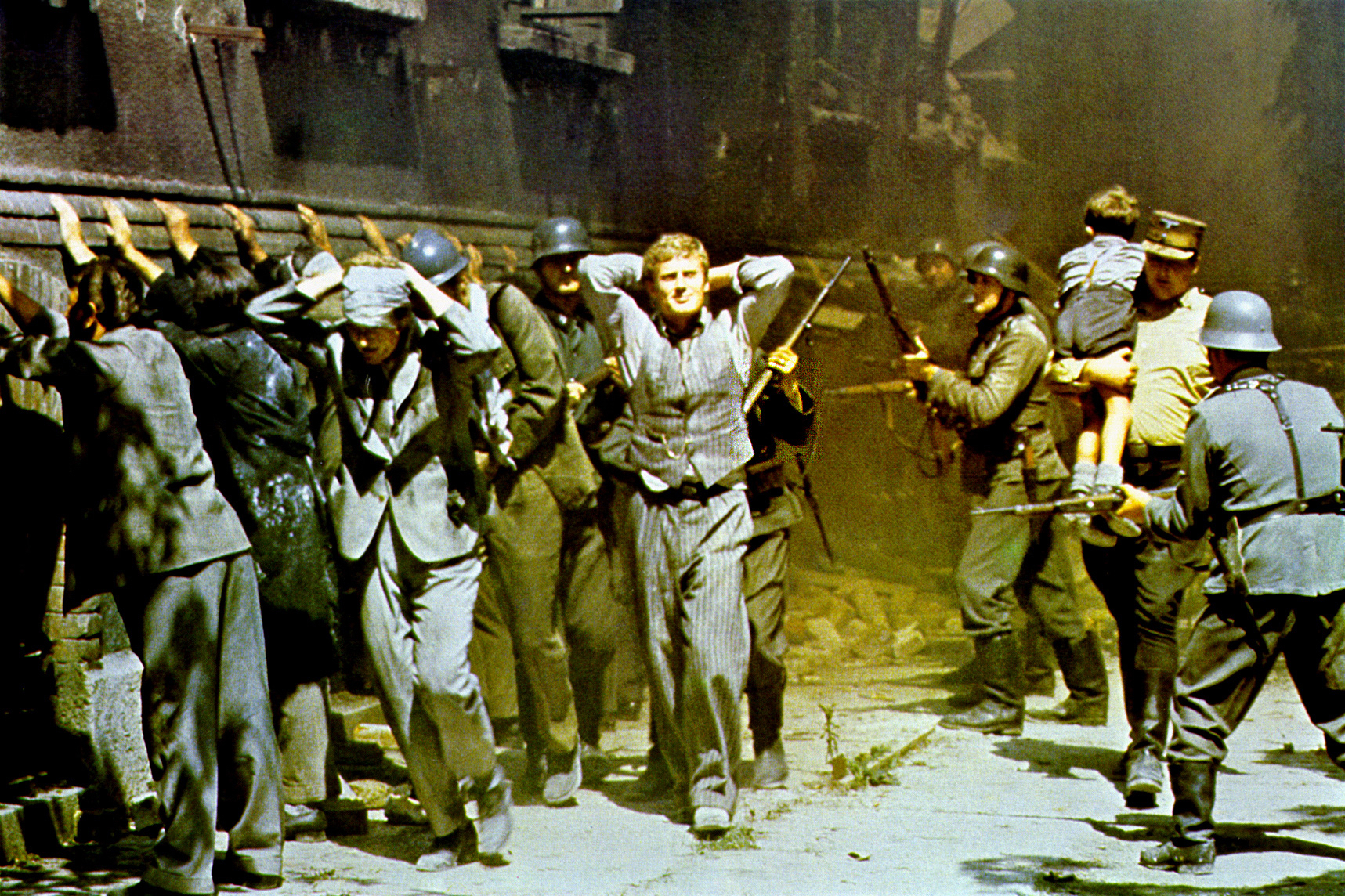
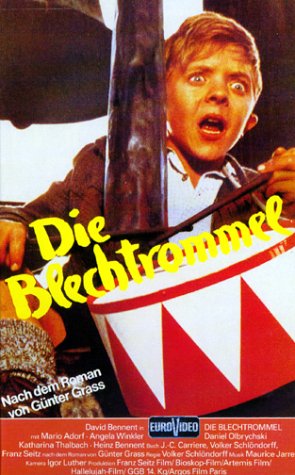
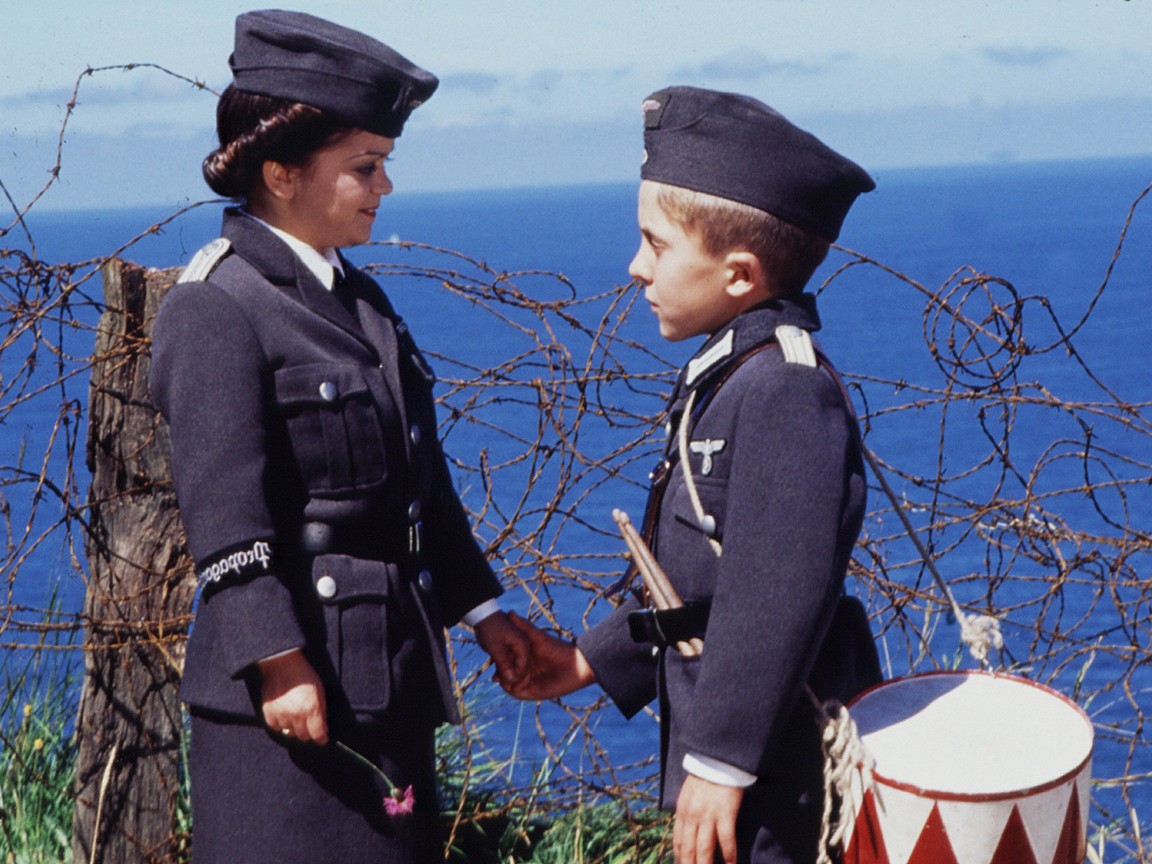
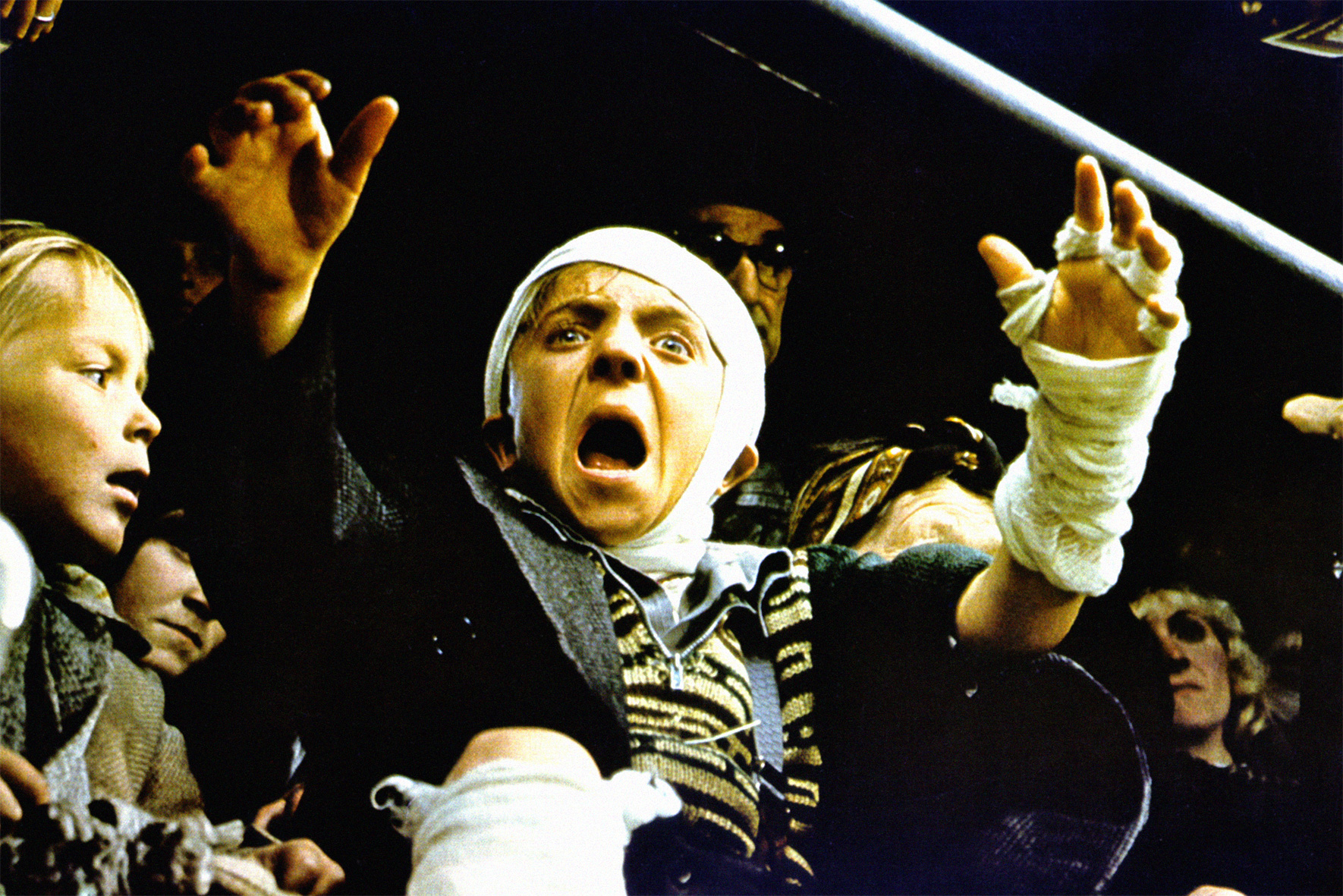
The film tells a story of Oskar Matzerath who is a son of a local dealer and is a extraordinary boy. On his third birthday, he makes an important decision not to grow up after witnessing the dark side of the world at the eve of World War II. Then he is immersed in his tin drum to find the safe and sound.




![Ali Fear Eats The Soul [Sub: Eng]](https://static.fmovies.pink/dist/images/Y02MXrtiw5TJF_lBS47geNKW6888dZHWYSHwlLThHBP25stFy5MFg3kd5QWdt_xtH_TMJb39nkKbbn7kHDWtXDIb5kexb9b4Xvp0kzSKtx4.png)
![Wings of Desire [Sub: Eng]](https://static.fmovies.pink/dist/images/NhArQguiS7GL-OjYkD4P3ynOyrw9KCmj753DwV9zpBBge3g8bDSO0trSD6bn8X1ZmDS6u7vivjuXKmZskv2RFMrZA2FDf1sPXpMgZ0pCg30.jpg)
![Pelle the Conqueror [Sub: Eng]](https://static.fmovies.pink/dist/images/Z-247XP3Crz_1HPAXaYow-HVeH1w1AoF7Oha_k88pOJMZm9Sw8y90xmTe_belqKAcFlzI7YVtxj6kXojcfFJhB4KpRjYC_sNKC8vneiiVTk.jpg)






29 May 1939, Berlin, Germany
7 April 1927, Torun, Kujawsko-Pomorskie, Poland
18 July 1921, Stolberg, Germany
19 November 1901, Berlin, Germany
22 March 1928, Free City of Danzig [now Gdansk, Pomorskie, Poland]
23 December 1918, Leipzig, Germany
6 January 1947, Aix-en-Provence, France

19 January 1954, East Berlin, East Germany

30 June 1941, Hanover, Germany
7 January 1924
3 September 1932, Wilno, Wilenskie, Poland [now Vilnius, Lithuania]
August 8, 1947
15 August 1912, Berlin, Germany

30 April 1960, Gdansk, Pomorskie, Poland

8 September 1930, Zurich, Switzerland

October 13, 1963 in Lausanne, Switzerland
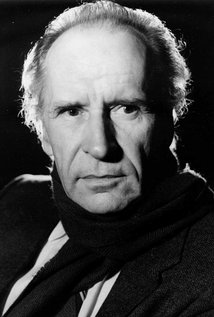
23 March 1930, Warsaw, Mazowieckie, Poland

27 February 1945, Lowicz, Lódzkie, Poland


March 22, 2008
Fascinating allegory with war, death themes and little boy who won't grow up.
May 09, 2004
Oskar's story touches on so many facets of life it's hard to know where to start analyzing.
August 03, 2004
the film is more memorable for its quirky commingling of the epic and the intimate and its often startling visuals than for any of its big themes
November 08, 2010
This movie rests on the small shoulders of David Bennent as 'three-year-old' Oskar Matzerath, and the undersized twelve-year-old comes up wonderful.
October 04, 2006
Technically and stylistically, The Tin Drum is an astounding work. Thematically, it strives for an importance it only sometimes achieves
January 16, 2013
There are many themes running through The Tin Drum: resistance against an unkind world, the need for acceptance, the horrors of romance and war, and the final idea that growth is inevitable and unfortunately, necessary.
April 15, 2009
Context is everything. Although often mistaken as a black comedy, Volker Schlöndorff's bold adaptation of Günter Grass's abstractly autobiographical 1959 novel is an exemplary model of European magic realist cinema.
September 18, 2012
Schlöndorff has a tendency to sketch the rest of the cast as simple grotesques or symbols of decadence that are unconvincingly humanized in the final third.
September 18, 2012
In Volker Schlöndorff's restored version of his 1979 classic, Oskar Matzerath emerges as a tragic anti-hero, whose lustful imagination and prodigious magical gifts can't shield him from the juggernaut of war.
January 30, 2011
The literal adaptation doesn't transfer that well to film.
January 23, 2013
If ever [the characters in] a film embodied Hannah Arendt's principle of "the banality of evil", it's The Tin Drum...
July 11, 2013
Walks a taut, high rope between doubles and split selves, docu-realism and surrealism, brutality and naïveté, sacred and profane, and history and myth, without falling into the safety net of childish fantasy. (It only falters in its final half-hour.)