

Roger Deakins
Roger Deakins is an English cinematographer best known for his work on the films of the Coen brothers, Sam Mendes, and Denis Villeneuve.He is a member of both the American and British Society of Cinem ...Show More
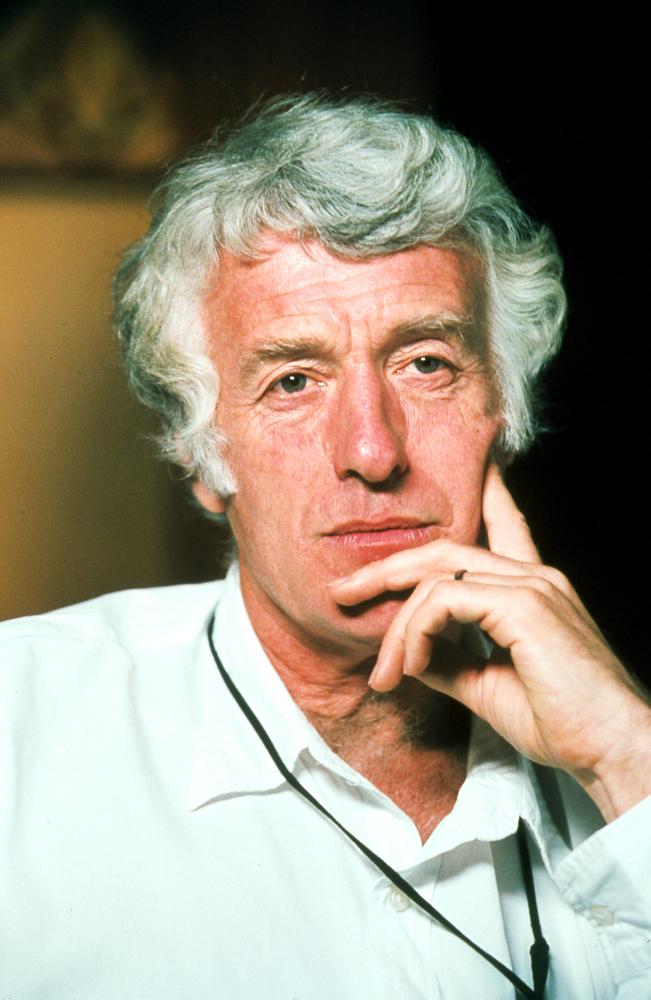
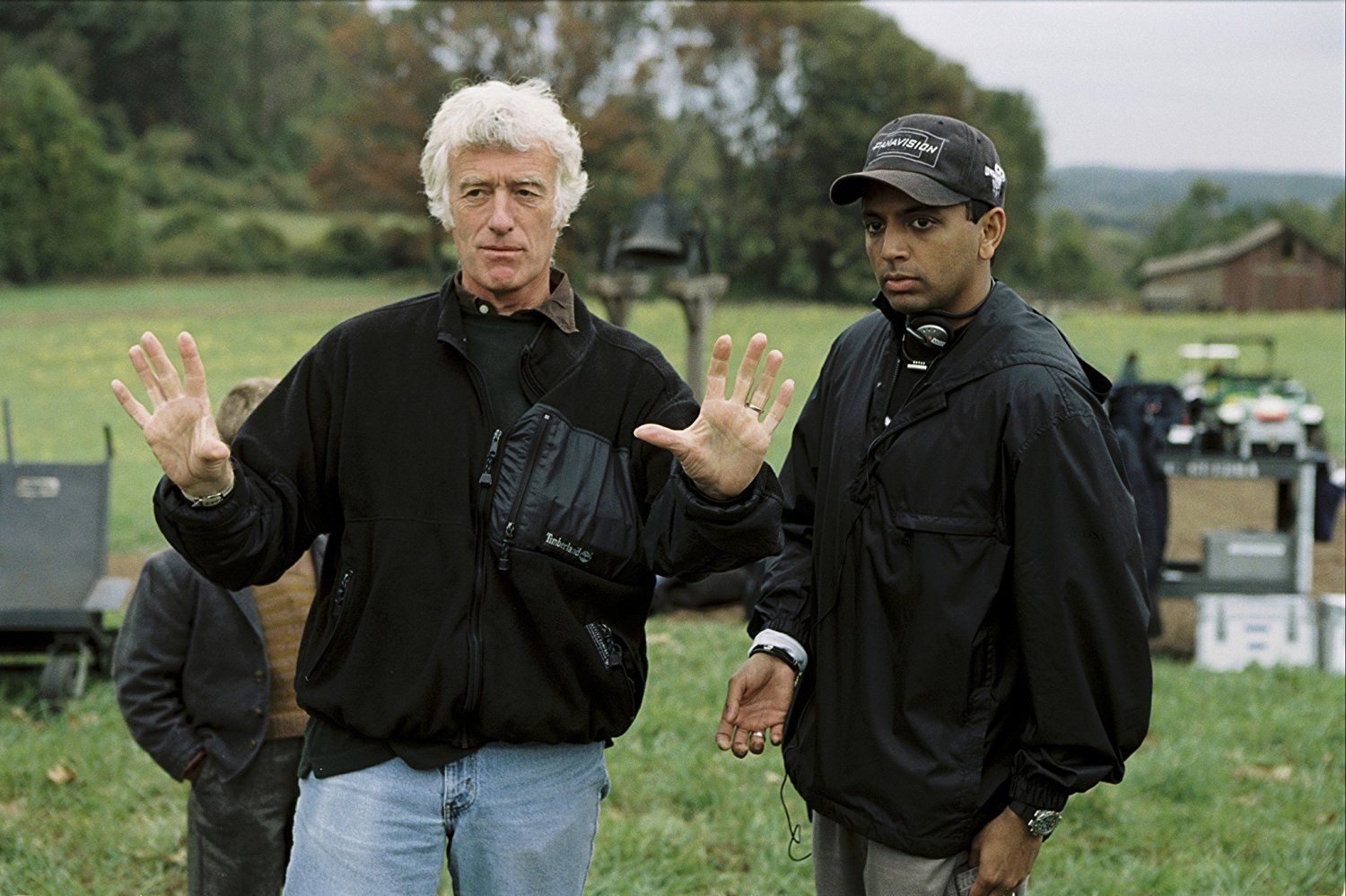
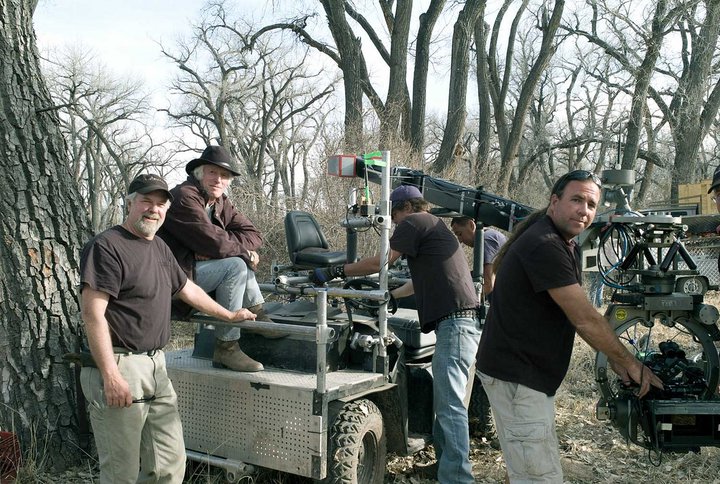
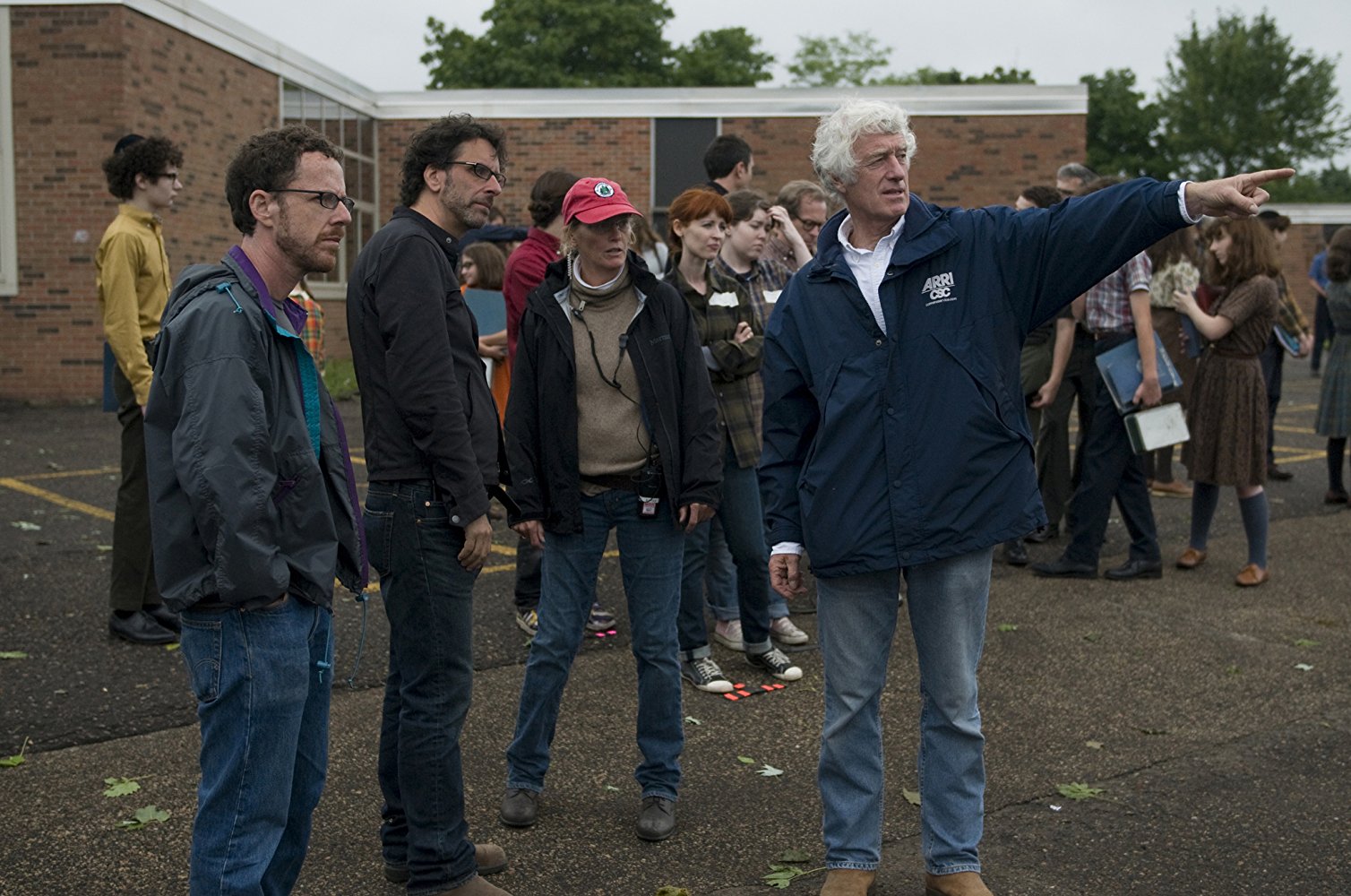
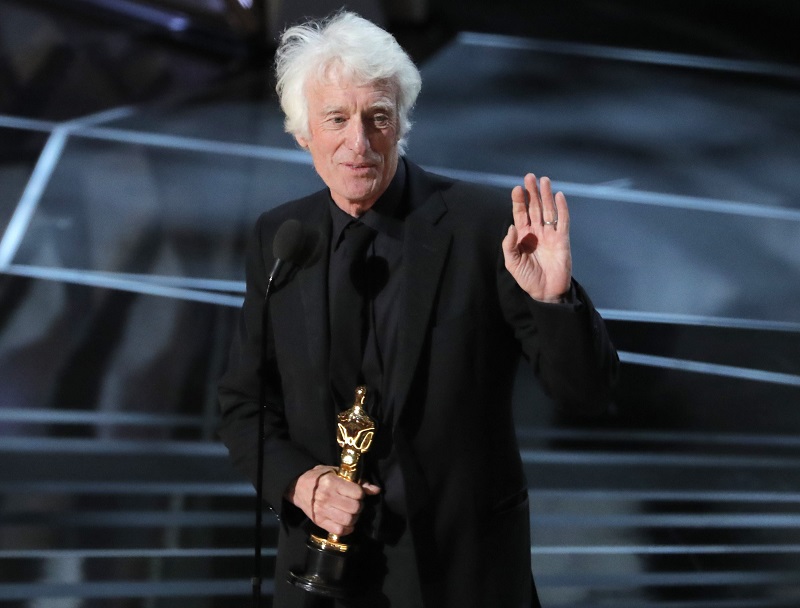
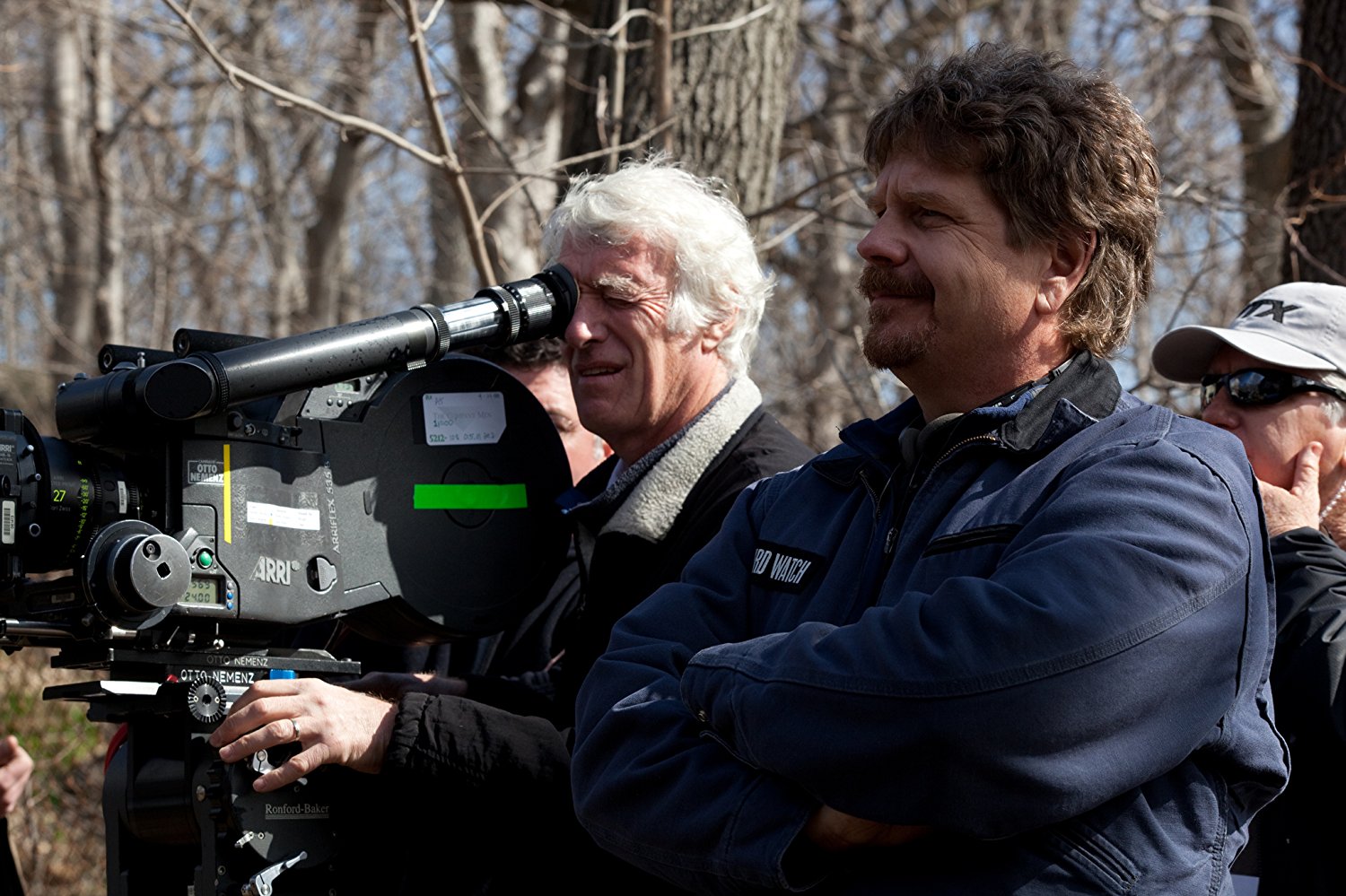
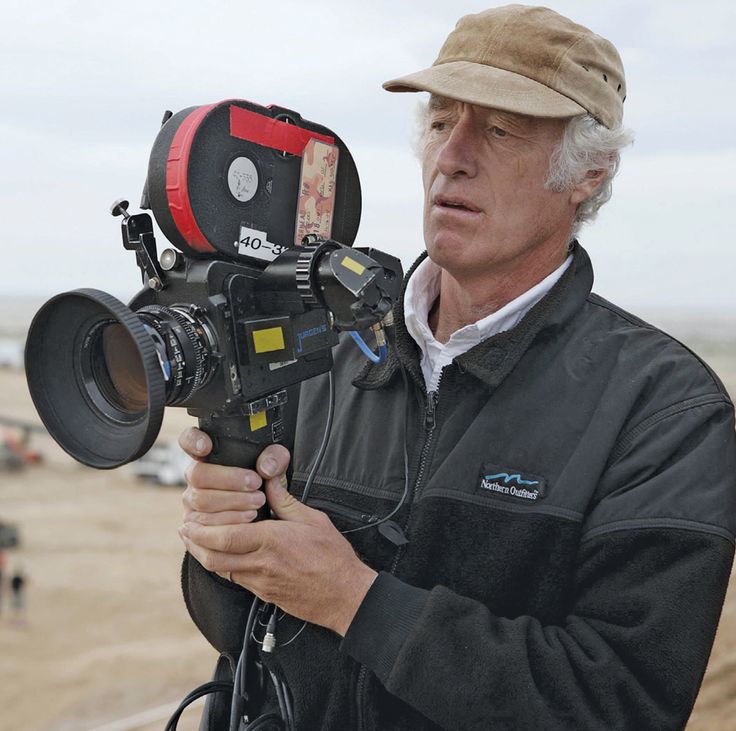
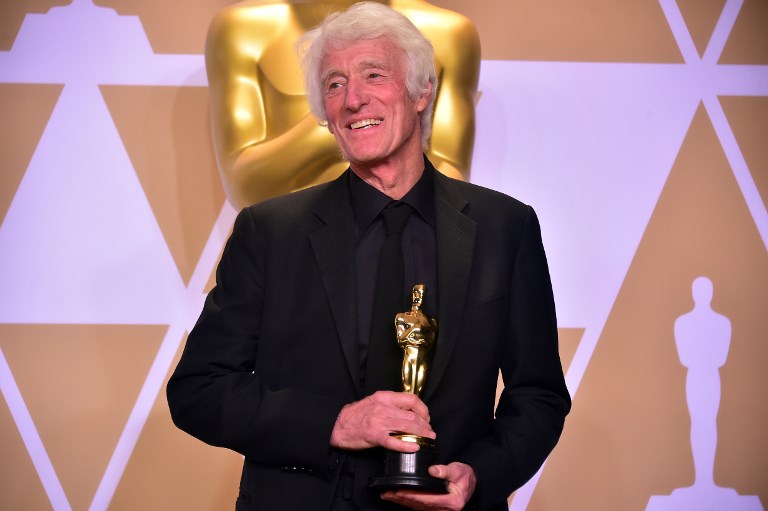
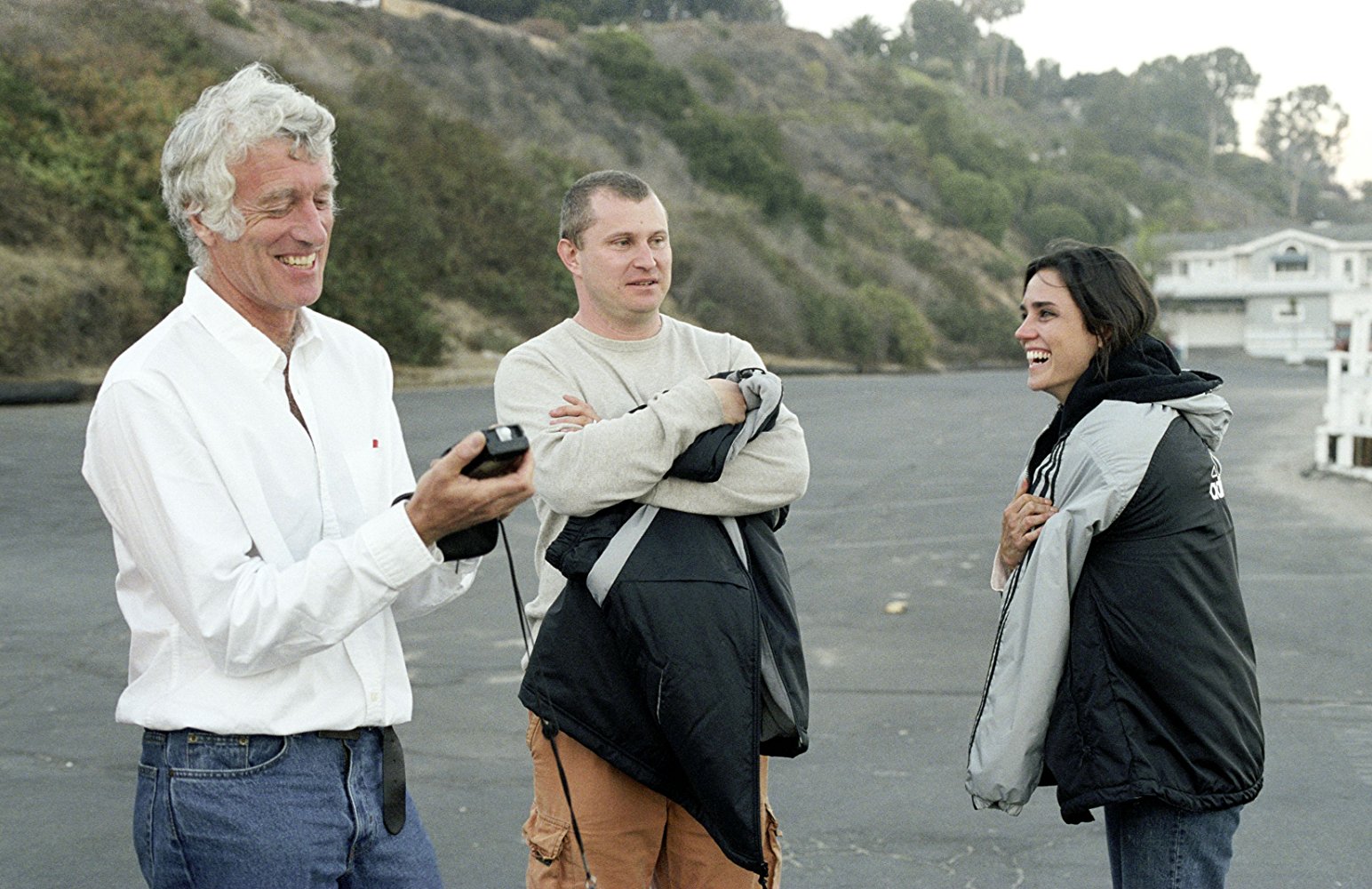
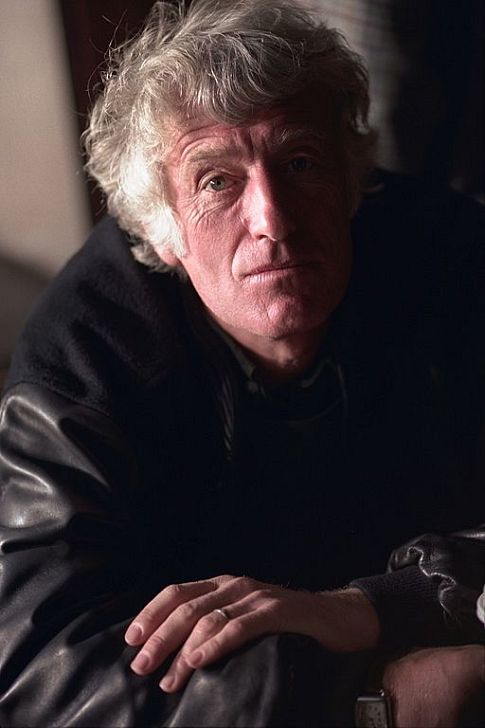
[on the shots that he's particularly proud of] The biggest challenge of any cinematographer is makin Show more
[on the shots that he's particularly proud of] The biggest challenge of any cinematographer is making the imagery fit together of a piece; that the whole film has a unity to it, and actually that a shot doesn't stand out. In a way it's a false compliment when somebody says "Oh I love the shot where such and such!" Actually you shouldn't love that shot. You should love what's happening, you should be in the story. Somehow that's taken you out of it. Hide
[on his "big break"] I was shooting documentaries, mostly, and a lot of rock videos, and then I got Show more
[on his "big break"] I was shooting documentaries, mostly, and a lot of rock videos, and then I got the chance to shoot a feature film with a guy I knew at film school. He was doing a fairly low-budget feature film for Channel 4 television in England [Les coeurs captifs (1983)]. The film was released theatrically, and it was very successful. It actually played at the Cannes Film Festival. I didn't really turn back after that. I made two other films [1984 (1984) and Sur la route de Nairobi (1987)] with the same director [Michael Radford] in rapid succession... I was very lucky. I mean, the big break was really getting into National Film School. If that hadn't happened, I don't think I would have gone into film at all. I might've become a photojournalist or something.[2015] Hide
[on his website] I was doing a Q&A years and years ago. I was screening L'armée des ombres (1 Show more
[on his website] I was doing a Q&A years and years ago. I was screening L'armée des ombres (1969), directed by Jean-Pierre Melville, which is my favorite movie. After the film, there were literally hundreds of students who came up and asked for advice. And after that evening, my wife said, 'Well, we should start a website.' So we decided to start this website if people wanted to ask questions, and it's become a general conversational site. It's quite nice, really... I just answer questions. It's like a forum, really. Some other cinematographers get on it to answer more technical questions because I'm not very technical.[2015] Hide
[on inspirations for Sicario (2015)] So we talked about Jean-Pierre Melville a little bit. We talked Show more
[on inspirations for Sicario (2015)] So we talked about Jean-Pierre Melville a little bit. We talked about - there's a photographer I particularly like, Alex Webb, and I thought he was really pertinent. The way he uses color is fantastic and the way his frames are so complex. I mean you can't really do it in a movie because I think the audience would be overpowered if every frame was as complex as an Alex Webb photograph. Because a photograph you sit there and look at it for as long as you want. But I thought there was something in his photography that related to what we were doing in an interesting way. And besides he had actually done a whole piece on the border once, in the '80s, I think it was. Some very interesting photographs.[2015] Hide
[referring to De sang-froid (1967)] Most English films back then were shot with very traditional, di Show more
[referring to De sang-froid (1967)] Most English films back then were shot with very traditional, direct light. It gave everything a stagey look, since there was a key light, back light, and fill light. But Conrad L. Hall broke the mold, and La dernière chance (1972) really stood out. That film and others really turned me on to the idea of shooting movies instead of stills. I was excited by Hall's work because he shot more in the Italian neo-realist way more than traditional cinematographers. His work was more in the vein of Raoul Coutard, who shot many of Godard's films. [1994] Hide
[on his favorite movie moment] I don't know how to pick just one shot - I guess it depends on what m Show more
[on his favorite movie moment] I don't know how to pick just one shot - I guess it depends on what mood you're in that day - but there's a shot in L'enfance d'Ivan (1962) where the boy is crossing between the German and Russian lines that I absolutely love. It's this incredible black and white landscape, illuminated by flares like a kind of ghostly hinterland, with this downed fighter plane jutting out of the earth. I don't know what camera [cinematographer] Vadim Yusov shot with in the water, but I'm sure it was a lot heavier than the ones we use now. Hide
[on preferring to do post-production digitally] On a film like A Serious Man (2009) without a huge b Show more
[on preferring to do post-production digitally] On a film like A Serious Man (2009) without a huge budget, you're on a tight schedule and shoot when you have to, even if the light isn't exactly what you want. If you do a digital intermediate (DI) you can change the lighting, the saturation and the contrast. You can do a lot without spending the money to go to an effects house. Hide
I certainly think there is an obsession with technical abilities at the expense of creativity and su Show more
I certainly think there is an obsession with technical abilities at the expense of creativity and substance. (...) Cinematographers such as Oswald Morris and Conrad Hall had great technique, but they were not technicians. Their knowledge was used as a means to an end rather than an end in itself. I was watching Tarkovsky's Solaris (1972) the other day. Certainly in Hollywood terms, you might not say that film was 'beautifully shot.' The cinematography garnered no nominations. But Vadim Yusov's work is actually stunning - maybe not 'beautiful' but stunning. [2016] Hide
[on Frederick Wiseman] The master of observation. If there was only one documentary filmmaker for me Show more
[on Frederick Wiseman] The master of observation. If there was only one documentary filmmaker for me it would be Wiseman. Hospital (1970) is one of the most penetrating studies of what it means to be human that I have seen.[2015] Hide
[on awards] Sure, it's nice of people to see your work and appreciate [it] - I don't know really. I Show more
[on awards] Sure, it's nice of people to see your work and appreciate [it] - I don't know really. I just move on and I like shooting films. I mean, okay, it's such a weird, weird thing when a film gets ignored or a film gets talked about. It doesn't make any sense to me. Some of what I consider my best work and some of the best films that I've ever worked on, kind of disappear without a trace. There's no accounting for it. Something connects or something doesn't. [2018] Hide
[on shooting Ave, César! (2016) on 35mm film again] We did have some problems. We had some st Show more
[on shooting Ave, César! (2016) on 35mm film again] We did have some problems. We had some stock issues and stuff like that, which was really disconcerting. And I've heard that's happened to a lot of people lately, you know, stock and lab problems. That's unnerving. I mean I never really remember having those kind of problems before. But it makes me nervous now. I don't want to do that again, frankly. I don't think the infrastructure's there. (...) As I say, just the technical problems with film, I'm sorry, it's over. [2016] Hide
Things usually work out better than you plan. When you're shooting a film you're so close to it, it Show more
Things usually work out better than you plan. When you're shooting a film you're so close to it, it rarely lives up to your expectations while you're there. You always want it to be better, more perfect. When you see a cut, maybe two or three months later, you come to it fresh. It's generally much better than you thought it would be. Hide
The prep period is especially important. Joel and Ethan Coen and I really enjoy it. By the time we'r Show more
The prep period is especially important. Joel and Ethan Coen and I really enjoy it. By the time we're on the set, we're discussing not what we're doing that day but rather something we're doing later that may be a problem. Hide
I like character films. I like photographing a human face. I find that more interesting than anythin Show more
I like character films. I like photographing a human face. I find that more interesting than anything else, and that's what I will continue to do. Hide
All I've ever wanted to do is take stills of people, or take documentaries about people, and try to Show more
All I've ever wanted to do is take stills of people, or take documentaries about people, and try to express to an audience how somebody lives next door. You know what I mean? Just how similar we all are as individuals. Hide
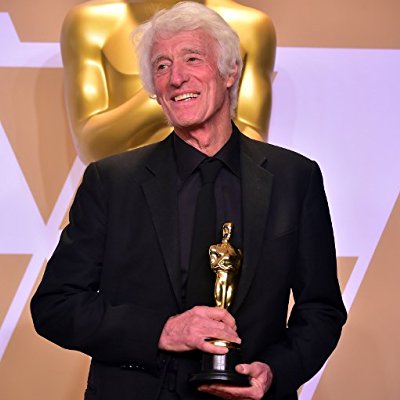
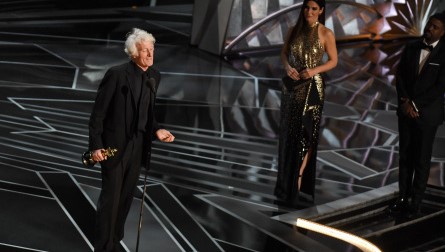
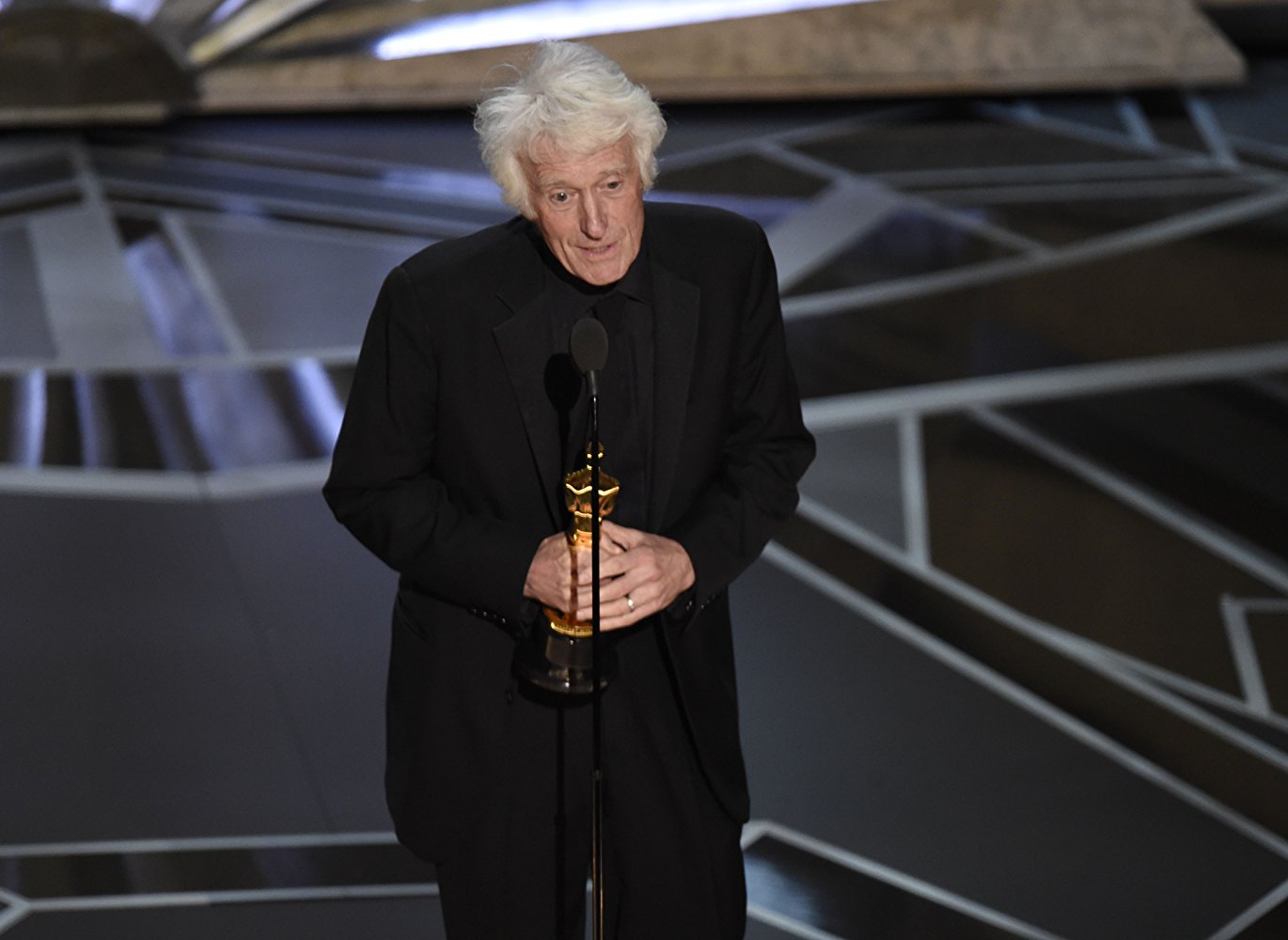
[how it felt like to win his first Academy Award for Blade Runner 2049 (2017)] It's great. I think i Show more
[how it felt like to win his first Academy Award for Blade Runner 2049 (2017)] It's great. I think it's great because, I've worked with a lot of the same people, my crew, for years and years, and I feel it's recognition for their work. I really do. And I know they're all kind of watching in New York and London and Budapest, and I'd like to mention every one of them, because that's just great for them, I think. [March 2018] Hide
[Deakins' advice to young cinematographers] Make documentaries first, then shoot features.
[Deakins' advice to young cinematographers] Make documentaries first, then shoot features.
Someone said to me, early on in film school... if you can photograph the human face you can photogra Show more
Someone said to me, early on in film school... if you can photograph the human face you can photograph anything, because that is the most difficult and most interesting thing to photograph. If you can light and photograph the human face to bring out what's within that human face you can do anything. Hide
Roger Deakins's FILMOGRAPHY
All
as Actor (5)
 Roger Deakins'S roles